
Why I Can't Sleep well?
The Hidden Connection Between Stress, Magnesium, and Restful Nights
10/7/20258 min read
Why Can't I Sleep Well?
Poor sleep is most commonly caused by an overactive nervous system, elevated cortisol, disrupted circadian rhythms, and light exposure that suppresses melatonin production. Understanding the specific forces disrupting your sleep cycle is the first step, because the right combination of sleep hygiene, nervous system regulation, and targeted nutritional support can restore deep, restorative sleep even when years of restless nights have made it feel impossible.
You're lying in bed again, staring at the ceiling while your mind races through tomorrow's to-do list, yesterday's conversations, and everything in between. The harder you try to sleep, the more awake you feel. You're exhausted during the day, irritable with loved ones, and struggling to focus at work—yet when your head hits the pillow at night, sleep feels impossibly out of reach.
If this sounds familiar, you're not alone. Approximately 70 million adults in the United States struggle with sleep disorders SingleCare, and the ripple effects touch every aspect of life. In today's always-on world, where stress levels soar and screens dominate our evenings, quality sleep has become more precious—and more elusive—than ever before. Understanding why you can't sleep well isn't just about fixing bedtime frustrations; it's about reclaiming your energy, mental clarity, emotional balance, and overall vitality.
The Hidden Forces Disrupting Your Sleep
Sleep isn't simply about closing your eyes and drifting off. It's a complex biological process governed by intricate systems in your brain and body. When these systems are thrown off balance, sleep becomes fragmented, shallow, or maddeningly elusive.
The primary culprit behind poor sleep is often an overactive mind. Your brain's natural stress response—designed to keep you alert during danger—doesn't always know the difference between a genuine threat and the mental replay of an awkward conversation from three years ago. This constant state of mental arousal keeps your nervous system in "fight or flight" mode, making the transition to restful sleep nearly impossible.
Nearly four in ten adults have trouble falling asleep three or more nights per week, and almost half of adults struggle with staying asleep National Sleep Foundation. These aren't just inconvenient statistics—they represent millions of people whose health, relationships, and quality of life are being quietly eroded by sleep deprivation.
Your body produces natural sleep-regulating compounds like melatonin, GABA, and serotonin, but modern lifestyle factors—including artificial light exposure, irregular schedules, caffeine consumption, and chronic stress—can deplete or disrupt these crucial neurochemicals. Without adequate levels of these calming compounds, your brain struggles to downshift from daytime alertness into the deep relaxation necessary for restorative sleep.
Five Science-Backed Insights Into Your Sleep Struggles
1. Nighttime Overthinking Is a Physical Problem, Not Just Mental
When you can't "turn off" your thoughts at bedtime, it's not a character flaw or lack of willpower. Your brain chemistry is literally working against you. Elevated cortisol levels (your stress hormone) and insufficient GABA (your calming neurotransmitter) create a biochemical environment where mental quietude becomes nearly impossible. This explains why simply "trying harder" to relax often backfires.
2. Magnesium Deficiency May Be Sabotaging Your Sleep
Many people don't realize that magnesium plays a critical role in over 300 bodily processes, including muscle relaxation and nervous system regulation. When magnesium levels are low, your muscles remain tense, your mind stays restless, and your body struggles to enter the parasympathetic "rest and digest" state necessary for deep sleep. Half of anxiety patients report having sleep problems Shortlister, highlighting the deep connection between mental tension and sleep quality.
3. Your Natural Sleep Cycle Needs Support
Your circadian rhythm—your internal 24-hour clock—should naturally make you feel sleepy as darkness falls. However, blue light from screens, irregular bedtimes, and insufficient exposure to natural daylight can confuse this system. When your circadian rhythm is disrupted, your body doesn't produce melatonin at the right times, leaving you wide awake when you should be winding down.
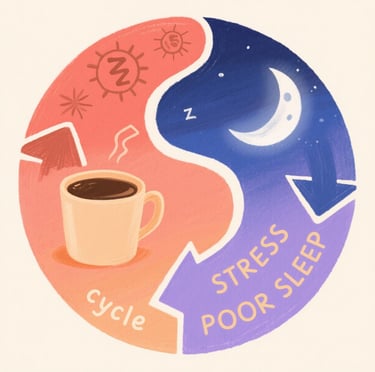
4. Sleep Deprivation Creates a Vicious Cycle
Poor sleep doesn't just make you tired the next day—it actually makes it harder to sleep well the following night. Sleep deprivation is linked to increased risk of obesity, diabetes, high blood pressure, and mental health challenges SingleCareShortlister. When you're chronically under-slept, stress hormones remain elevated, making it progressively more difficult to achieve the deep, restorative sleep your body desperately needs.
5. Pharmaceutical Sleep Aids Often Create Dependency Without Addressing Root Causes
Many prescription and over-the-counter sleep medications work by forcing drowsiness rather than supporting your body's natural sleep mechanisms. This approach can lead to tolerance, dependence, and morning grogginess—without ever addressing the underlying neurochemical imbalances that caused your sleep problems in the first place.
Three Simple Steps You Can Take Tonight
While addressing chronic sleep issues often requires a comprehensive approach, you can begin improving your sleep quality immediately with these evidence-based practices:
Step 1: Create a "Wind-Down" Ritual (30 Minutes Before Bed)
Signal to your body that sleep is approaching by dimming lights, turning off screens, and engaging in calming activities like gentle stretching, reading physical books, or practicing deep breathing exercises. This helps activate your parasympathetic nervous system and begins the transition from alertness to relaxation.
Step 2: Optimize Your Sleep Environment
Transform your bedroom into a sleep sanctuary by keeping it cool (around 65-68°F), completely dark, and as quiet as possible. Remove electronic devices or use "night mode" settings that reduce blue light exposure. Your sleep environment profoundly impacts your ability to fall and stay asleep.
Step 3: Support Your Body's Natural Sleep Chemistry
Consider whether you're getting adequate amounts of sleep-supporting nutrients through your diet. Foods rich in magnesium (leafy greens, nuts, seeds), tryptophan (turkey, eggs, cheese), and complex carbohydrates can naturally support your body's production of sleep-regulating compounds.
A Natural Solution That Works With Your Body
When lifestyle changes alone aren't enough to restore restful sleep, targeted nutritional support can make a profound difference. This is where a comprehensive approach to sleep supplementation becomes valuable.
4GreatSleep offers a scientifically formulated solution designed to address multiple aspects of sleep disruption simultaneously. Unlike single-ingredient supplements or harsh pharmaceutical sleep aids, this natural formula combines research-backed nutrients and botanicals that work synergistically to calm nighttime overthinking, support natural sleep cycles, and promote genuine restorative rest.
The formula includes melatonin to regulate your sleep-wake cycle, GABA to quiet mental chatter, magnesium to relax tense muscles, and L-tryptophan to boost serotonin production—all the neurochemical building blocks your brain needs for effortless sleep. Additional calming botanicals like ashwagandha, hops, and chamomile further enhance the formula's ability to ease stress and support deep, uninterrupted sleep.
What makes this approach different is its focus on addressing the root causes of sleeplessness rather than simply inducing drowsiness. By providing your body with the raw materials it needs to naturally produce sleep-regulating compounds, 4GreatSleep helps restore your innate ability to fall asleep easily and wake up feeling genuinely refreshed—without grogginess, dependency, or unwanted side effects.
If you’re curious to explore additional natural support for more restful, restorative sleep, you can read more about 4GreatSleep here.
Reclaiming Your Right to Restful Sleep
Here's a truth that may surprise you: struggling with sleep isn't a personal failing, and it's not something you need to simply endure. Your body wants to sleep well—it's designed for it. When you can't sleep, it's a signal that something in your internal environment needs support, whether that's neurochemical balance, stress management, or nutritional replenishment.
People who get recommended amounts of sleep are significantly more likely to be flourishing in their personal and professional lives National Sleep Foundation. Quality sleep isn't a luxury; it's the foundation upon which everything else in your life is built. When you sleep well, you think more clearly, feel more emotionally resilient, connect more authentically with others, and approach challenges with greater creativity and confidence.
The journey back to restful sleep begins with compassion for yourself and recognition that you deserve to wake up feeling restored. Whether through improved sleep hygiene, stress management practices, or targeted nutritional support, solutions exist. Your path to better sleep may require some experimentation to discover what works best for your unique biochemistry and lifestyle, but the effort is profoundly worth it.
Every night of quality sleep is an investment in your health, happiness, and potential. You have the power to transform your relationship with sleep—starting tonight.
Frequently Asked Questions About Sleep Problems
Why do I feel tired all day but can't sleep at night?
This paradox occurs when your sleep-wake cycle becomes dysregulated. Chronic stress keeps cortisol levels elevated throughout the day, creating feelings of anxious exhaustion rather than healthy tiredness. By nighttime, your nervous system is too activated to transition into sleep mode, even though you feel depleted. Supporting your body's natural production of calming neurotransmitters like GABA and serotonin can help break this cycle.
Can natural supplements really help with sleep, or do I need prescription medication?
Research shows that targeted natural supplements containing ingredients like melatonin, magnesium, GABA, and L-tryptophan can effectively improve sleep quality by addressing underlying neurochemical imbalances. Unlike many prescription sleep medications that force drowsiness and may create dependency, natural approaches support your body's own sleep mechanisms, often with fewer side effects and no risk of tolerance.
How long does it take to fix chronic sleep problems?
While some people notice improvements within the first few nights of making changes, restoring healthy sleep patterns typically takes two to four weeks of consistent effort. Your body needs time to rebalance neurochemicals, re-establish circadian rhythms, and adapt to new sleep hygiene practices. Patience and consistency are key—sustainable sleep improvement is a journey, not an overnight transformation.
Is it normal to wake up multiple times during the night?
Brief awakenings between sleep cycles are actually normal and usually go unnoticed. However, if you're fully waking multiple times and struggling to fall back asleep, this indicates disrupted sleep architecture. Common causes include elevated stress hormones, low magnesium levels, blood sugar fluctuations, or insufficient production of sleep-maintaining neurochemicals. Addressing these underlying factors can help you sleep more continuously through the night.
What's the connection between anxiety and insomnia?
Anxiety and insomnia exist in a bidirectional relationship—each condition intensifies the other. Anxiety activates your stress response, flooding your system with cortisol and adrenaline that make sleep physiologically difficult. Simultaneously, poor sleep depletes the neurochemical resources your brain needs to regulate emotions, making anxiety worse. Breaking this cycle requires addressing both the mental and physical components of sleep disruption through stress management techniques and neurochemical support.
Your Next Chapter Begins Tonight
You've spent enough nights tossing and turning, enough days moving through life in an exhausted fog. The solutions to your sleep struggles exist, and they're more accessible than you might imagine. Whether you start with simple environmental changes, explore targeted nutritional support like 4GreatSleep, or combine multiple approaches, the important thing is that you start.
Your body has an innate wisdom and a natural capacity for healing rest. Sometimes it just needs a little support to remember how. Tonight could be the beginning of a new relationship with sleep—one characterized by ease, restoration, and the deep, rejuvenating rest your mind and body are craving.
Sweet dreams await. You deserve them.










The products featured here are affiliate recommendations we've carefully selected. When you purchase through our links, we may earn a small commission at no extra cost to you, helping us create free content to support your journey. We only share what we truly believe can help.


© 2025. All rights reserved.
info@cosmiclifeflow.com