
Pineal Gland
How Can I Decalcify My Pineal Gland Naturally?
11/18/202513 min read
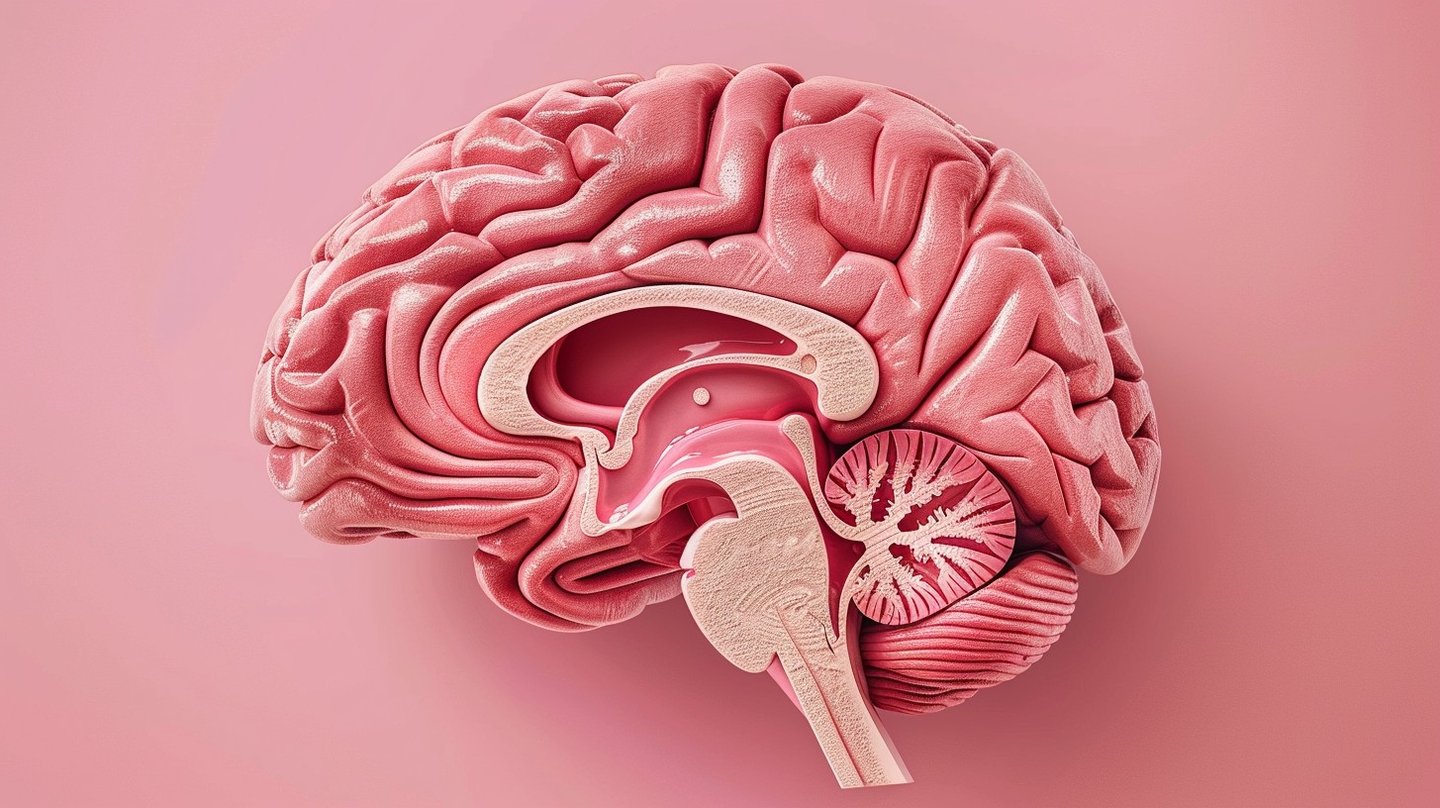
How Can I Decalcify My Pineal Gland Naturally?
You can begin decalcifying your pineal gland naturally by removing fluoride from your drinking water, reducing phosphate-rich processed foods, and increasing iodine, magnesium, and tamarind in your diet, all of which research associates with lower calcification rates in the brain. Supporting practices including morning sunlight exposure, grounding, and targeted meditation can restore your pineal gland's melatonin production, dream clarity, and intuitive sensitivity over time.
Between the silence of sleep and the spark of consciousness lives a mystery, a tiny gland the size of a grain of rice that holds the blueprint of your inner rhythm, your intuition, your connection to something larger than what the eye can see.
You've felt it, haven't you? That sense that something is muted. Dreams that used to arrive vivid now fade before morning. Sleep that no longer restores. Intuition that once whispered clearly now struggles through static. The modern world, for all its brilliance, has dimmed something ancient within us.
This is not metaphor. This is biology.
The pineal gland, your body's timekeeper, melatonin producer, and what mystics have long called the "third eye", is calcifying. Hardening. Closing. And the culprit isn't mystical at all. It's measurable, documentable, and accumulating in the center of your brain right now.
But here's what matters: What calcifies can be cleansed. What closes can be opened. What dims can be rekindled.
The Pineal Gland: Where Science Meets the Sacred
Deep in the geometric center of your brain, behind your eyes and between your ears, sits a pinecone-shaped gland no larger than a pea. The ancients called it the seat of the soul. Descartes declared it the principal seat of consciousness. Modern science calls it an endocrine gland.
They're all correct.
This is not metaphor. This is anatomy.
The pineal gland is unique among brain structures, it exists outside the blood-brain barrier, making it exquisitely sensitive to everything flowing through your bloodstream. Under a microscope, pineal tissue contains rod-shaped, light-sensitive cells nearly identical to those in your retinas. Evolution didn't place retinal cells in the center of your skull by accident.
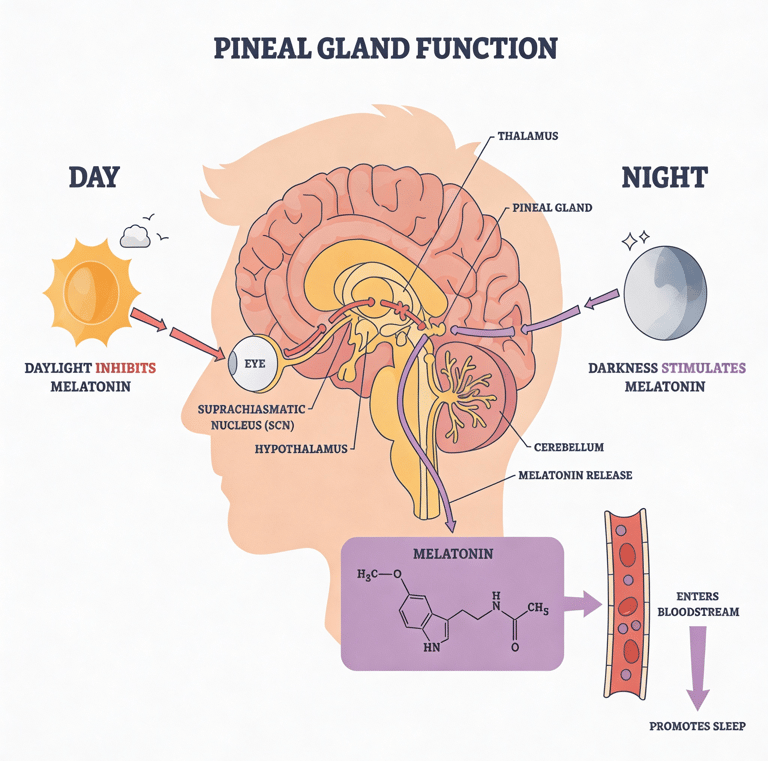
Your pineal gland is a light-reading, rhythm-setting, hormone-producing bridge between the physical world and your inner experience. It transforms serotonin into melatonin as daylight fades. It coordinates your circadian rhythms with the turning of the Earth. It influences everything from sleep depth to seasonal mood, from bone metabolism to sexual maturation.
When functioning optimally, your pineal gland conducts the symphony of your body's internal time. When calcified, that symphony falls out of tune.
The Science of Calcification: What's Actually Happening
Here's what conventional medicine knows but rarely discusses: The pineal gland calcifies more than any other tissue in the human body. By middle age, many people's pineal glands contain calcium deposits visible on MRI scans, forming what researchers call "brain sand" or corpora araceacea.
Nature speaks in patterns. When a gland designed to sense light becomes encased in mineral deposits, the signal dims.
But calcium isn't acting alone. Research published in peer-reviewed journals reveals a more concerning truth: The pineal gland accumulates fluoride at higher concentrations than bones and teeth, making it the most fluoride-saturated organ in the human body MDPI. Fluoride, that mineral added to water supplies and toothpaste for dental health, has an affinity for calcium. When the two meet in pineal tissue, they form calcium-fluoride crystals that progressively harden the gland.
The numbers are startling. Studies have found fluoride concentrations in pineal gland apatite reaching levels many times higher than in any other natural apatite MDPI. This isn't speculation. It's measurable fact.
What happens when your pineal gland calcifies?
Melatonin production decreases, disrupting sleep architecture
Circadian rhythms lose their precision
The body's internal sense of time becomes unreliable
That subtle inner knowing, intuition, some call it, becomes harder to access
Between scientific mechanism and spiritual experience lives a truth that honors both: Your biology shapes your consciousness. Your consciousness emerges from biology. They were never separate.
Why Modern Life Accelerates Calcification
Your ancestors didn't face this particular challenge. The pineal glands of people living traditional lifestyles in pre-industrial societies show significantly less calcification. What changed?
Fluoride exposure increased exponentially. Introduced to water supplies in the mid-20th century, fluoride now appears in tap water (at concentrations of 0.7-1.2 ppm in fluoridated areas), most conventional toothpastes, many processed foods and beverages, pesticides on non-organic produce, and non-stick cookware. Your pineal gland, lacking the blood-brain barrier's protection, absorbs it all.
Calcium supplementation became commonplace. While dietary calcium from whole foods supports bone health, excessive isolated calcium supplements can contribute to soft tissue calcification, including in the pineal gland.
Heavy metal exposure intensified. Mercury from dental amalgams and certain fish, aluminum from cookware and antiperspirants, lead from old paint and pipes, these metals can accumulate in brain tissue, including the pineal gland.
Light pollution disrupted natural rhythms. Artificial blue light after sunset suppresses melatonin production. When your pineal gland must work harder against unnatural light exposure, it becomes more vulnerable to calcification under metabolic stress.
Stress became chronic. Elevated cortisol, inflammatory cytokines, and oxidative stress from modern life create an internal environment where calcification accelerates.
The question is not "What causes pineal calcification?" The question is: "What can reverse it?"
Natural Decalcification: The Science-Backed Approach
Decalcifying your pineal gland isn't about choosing between science and spirituality. It's about understanding that certain compounds, studied, measured, and documented in peer-reviewed research, can help your body remove accumulated toxins and restore gland function.
This isn't ancient mysticism. This is biochemistry, toxicology, and endocrinology working in your favor.
1. Eliminate Fluoride: Stop the Accumulation
Before removing what's already there, stop adding more. This is foundational.
Water: A 2019 study published in Biological Trace Element Research examined aged rats (26 months old) that were placed on a fluoride-free diet. Researchers Mrvelj and Womble found that after 4 weeks, pineal glands showed a 96% increase in supporting cell numbers, and at 8 weeks a 73% increase in pinealocytes compared to control animals on standard fluoridated diets (Mrvelj & Womble, 2020). Switch to reverse osmosis or distilled water for drinking and cooking. Standard filters (Brita, PUR) don't remove fluoride.
Toothpaste: Choose fluoride-free formulations. Brands using hydroxyapatite, neem, or herbal ingredients clean teeth effectively without fluoride exposure.
Food: Eat organic when possible. Conventionally grown grapes, raisins, and grape juice contain high fluoride levels from pesticides. Tea plants (especially black tea) naturally accumulate fluoride from soil.
This is not about perfection. This is about reducing your total load so your body can begin repair.
2. Iodine: The Fluoride Displacer
Of all compounds studied for pineal decalcification, iodine has the strongest scientific support.
Research by Abraham (2005) published in the Townsend Letter for Doctors and Patients documented that iodine supplementation significantly increases urinary excretion of both fluoride and bromide. In his study, subjects taking 3 tablets of iodine/iodide preparation showed 24-hour fluoride excretion levels 17.5 times baseline, and bromide excretion 18 times baseline. These elevated excretion levels persisted even after one month of supplementation (Abraham).
How does it work? Iodine, fluoride, bromide, and chloride are all halogens, elements in the same chemical family. When you increase iodine intake, it competitively displaces fluoride from cellular receptors, allowing your body to excrete it through urine. Research published in Alternative Therapies in Health and Medicine confirms that bromide ingestion increases iodide excretion by the kidneys and can reduce iodine concentration in tissues (Meletis, 2011).
Nature designed your thyroid and pineal glands to work with iodine. Fluoride is the imposter that shouldn't be there.
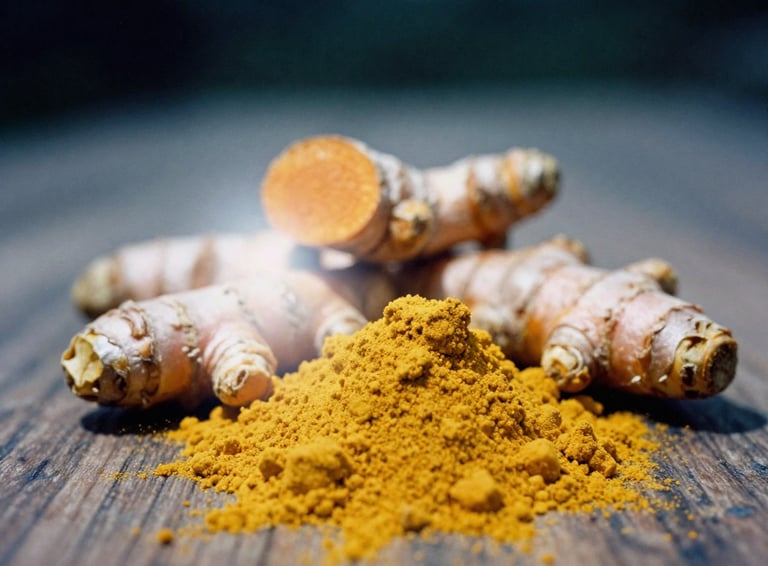
3. Turmeric (Curcumin): Fluoride Damage Reversal
Here's where Eastern wisdom meets Western research in the most elegant way.
Curcumin, the golden compound that gives turmeric its color, has been used in Ayurvedic medicine for 4,500 years. Modern neurotoxicology now confirms why.
In a study published in Pharmacognosy Magazine, researchers examined mice exposed to 120 ppm fluoride for 30 days. The fluoride-only treatment group showed significantly elevated markers of oxidative stress and lipid peroxidation. However, mice that received curcumin (30 mg/kg body weight) alongside fluoride showed significantly decreased neurotoxicity and lipid peroxidation compared to the fluoride-only group (Sukhadia).
Even more remarkably, research on developmental fluoride exposure published in Biochemistry and Cell Biology demonstrated that curcumin administration reversed fluoride-induced alterations in neurotransmitter levels including serotonin and its metabolite 5-HIAA in brain tissue of rats (PadMed,2020).
This isn't simply "reducing inflammation." Curcumin appears to actively reverse fluoride's damage to neural tissue.
Curcumin transforms cellular trauma into cellular healing.
How to use turmeric effectively:
Add fresh or dried turmeric to soups, curries, golden milk, and smoothies
Combine with black pepper (piperine) to increase absorption by 2000%
Consider high-quality curcumin supplements standardized to 95% curcuminoids
Some practitioners recommend topical application: mix turmeric powder with coconut oil and apply to forehead before sleep
The golden spice works slowly, steadily, rebuilding what fluoride has damaged.
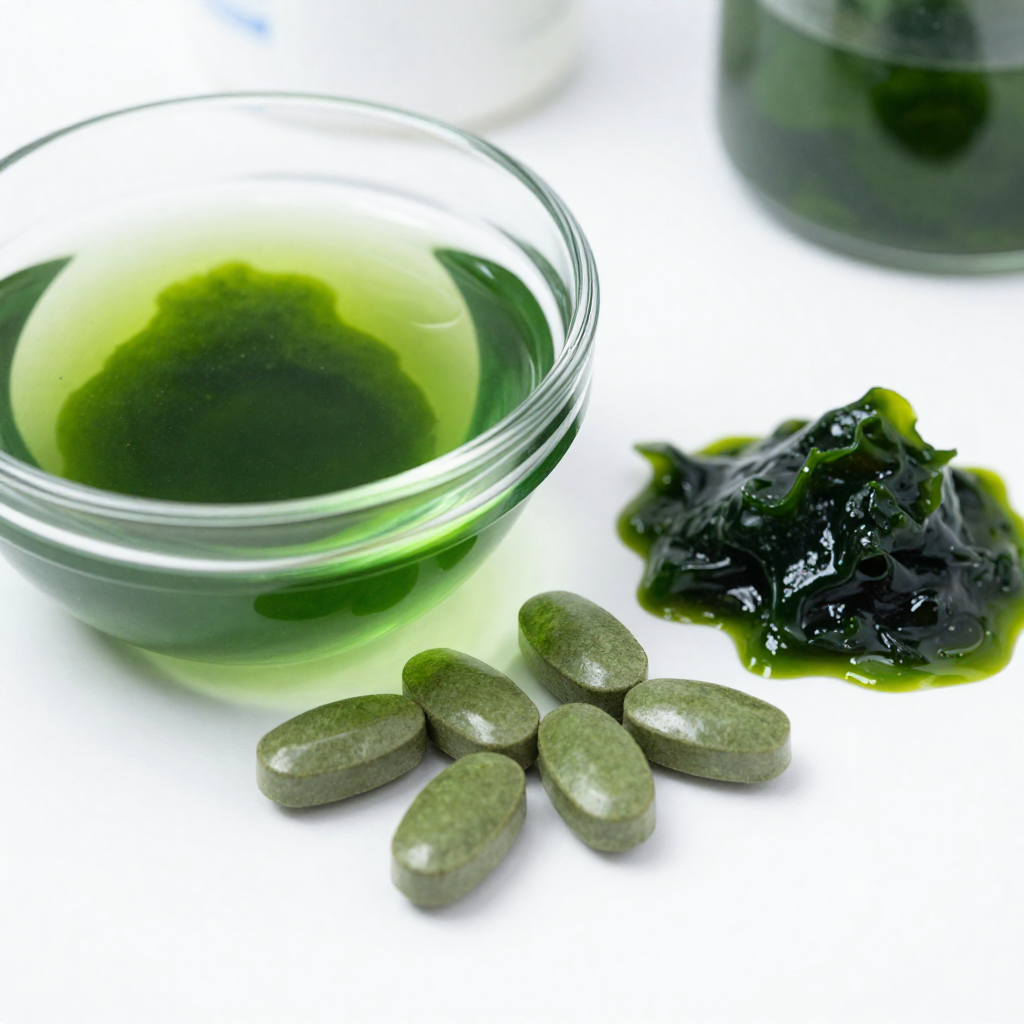
4. Chlorella and Spirulina: Heavy Metal Chelators
Your pineal gland doesn't only accumulate fluoride. Mercury, lead, aluminum, and other heavy metals also find their way to brain tissue.
Chlorella a freshwater green alga, has been proven effective for binding to chemical toxins and metals and for removing heavy metal toxins from the pineal gland (SNL) . Spirulina is a powerhouse of chlorophyll which helps cleanse the body of heavy metals and toxins (LWW)
These single-celled algae act like microscopic magnets, binding to heavy metals in your digestive tract and escorting them out through elimination.
Recommended use:
Start with 1 gram daily, gradually increasing to 3-5 grams
Take on an empty stomach or between meals for maximum absorption
Use in cycles: 8 weeks on, 2-3 weeks off
Choose organic, tested sources free from contamination
What the ancient oceans created, these tiny spirals of green life, now help us clear modern toxins from the most sacred space in our brains.
5. Vitamin K2: Calcium's Guide
Not all calcium is the enemy. Dietary calcium from greens, seeds, and bones nourishes you. The problem is calcium in the wrong places, soft tissues like arteries, joints, and pineal glands.
Vitamin K2 (specifically the MK-7 form) acts as calcium's traffic cop. It activates proteins that escort calcium out of soft tissues and into bones and teeth where it belongs.
Sources:
Fermented foods: natto (highest source), sauerkraut, kimchi
Grass-fed dairy and butter
Pasture-raised egg yolks
K2 supplements (MK-7 form, 100-200 mcg daily)
6. Boron: The Mineral You've Never Heard Of
Boron deserves more attention. This trace mineral, found naturally in soil and plants, has remarkable fluoride-removing properties.
Research in both Germany and China has demonstrated boron's effectiveness at helping the body eliminate fluoride, even in cases of severe skeletal fluorosis.
Sources:
Raisins, prunes, and dried apricots
Avocados and nuts (especially almonds)
Chickpeas, lentils, and kidney beans
Boron supplements (3-6 mg daily)
Beyond Supplements: Lifestyle Practices for Pineal Health
Compounds and supplements provide tools, but your daily practices determine long-term pineal function.
Sunlight: The Ancient Reset
Your pineal gland exists to translate light into internal time. Give it the information it needs.
Morning sunlight exposure, ideally within 30 minutes of waking, signals your pineal gland that day has begun, setting your circadian clock. Even 10-15 minutes of early morning light (no sunglasses, facing generally toward the sun) dramatically improves melatonin production later that night.
Your ancestors woke with dawn, moved through noon brilliance, wound down with dusk. Your pineal gland remembers this rhythm, encoded in its cells across millennia.
Darkness: The Forgotten Necessity
Blue light after sunset is a disaster for pineal function. Your gland reads this light signature as "midday" and suppresses melatonin production.
Create genuine darkness:
Use blue-light blocking glasses after sunset
Remove electronic screens from your bedroom
Install blackout curtains or use a sleep mask
If you must use screens, enable night mode/red light filters
The darker your sleeping environment, the more melatonin your pineal can produce, and the more its natural detoxification processes can proceed.
Meditation: The Internal Practice
Multiple studies show that meditation influences pineal gland activity and may support its decalcification.
When you close your eyes in meditation, you're giving your pineal gland the darkness signal it craves. When you focus attention between your eyebrows, the traditional "third eye" location, you're directing awareness to the very area where your pineal gland resides, a few centimeters back.
Between focused attention and complete letting-go lives the space where the pineal gland awakens. Not through force. Through invitation.
Simple practice:
Sit comfortably, spine naturally upright
Close your eyes
Breathe naturally, directing subtle awareness to the space behind your forehead
Rest attention there, not forcing, not grasping
10-20 minutes daily
Some practitioners report sensations of pressure, tingling, or light in this area as the pineal gland becomes more active. Others report nothing physical but notice improved sleep and heightened intuition over time.
A Comprehensive Solution: When You Want Everything in One Formula
Understanding ingredients is one thing. Sourcing, dosing, and combining them correctly is another.
For those seeking a convenient, comprehensive approach, Pineal 10X offers a liquid formula that brings together the primary research-backed compounds for pineal decalcification in bioavailable form.
The formula contains:
Iodine to displace and remove fluoride from tissues
Turmeric (curcumin) to reverse fluoride-induced neural damage
Chlorella and spirulina to chelate heavy metals
Ashwagandha to reduce stress and support endocrine balance
Vitamin B6 and Vitamin C for neurotransmitter production and antioxidant protection
Supporting herbs including maca root and damiana for energy and hormonal harmony
What distinguishes this from simply taking individual supplements?
Synergy. These compounds work better together than alone. Iodine removes fluoride; turmeric repairs the damage fluoride caused; chlorella clears heavy metals; ashwagandha reduces the stress that accelerates calcification in the first place.
Liquid absorption. Unlike tablets or capsules that must break down in your digestive tract, liquid formulas begin absorbing immediately, even sublingually. For brain-targeted nutrients, bioavailability matters.
Quality standards. Manufactured in FDA-registered, GMP-certified facilities. Non-GMO, vegan, free from synthetic additives. These details matter when you're working to remove toxins from your brain tissue.
Is a supplement required for pineal decalcification? No. You can source each ingredient separately through diet and lifestyle. But for those who want a researched, comprehensive solution without managing multiple bottles and dosing schedules, a quality formula like Pineal 10X provides a practical path.
The question is not whether supplementation is "cheating" or whether diet alone is "pure." The question is: What actually works, and what will you actually do consistently?
The Timeline: What to Expect
Pineal decalcification is not an overnight process. Calcification accumulated over years or decades. Reversal takes patience.
Weeks 1-4: You're removing the source (fluoride avoidance) and beginning mobilization (iodine, turmeric). Some people notice improved sleep quality first. Dreams may become more vivid. Energy levels often stabilize.
Months 2-3: Deeper detoxification proceeds. Heavy metals begin clearing. Circadian rhythms strengthen. Many report a subtle but distinct increase in intuitive clarity, that sense of "knowing" without knowing how you know.
Months 4-6: Structural decalcification becomes measurable (though you won't see it without imaging). Melatonin production normalizes. Sleep architecture improves, more time in deep sleep and REM. Mood regulation strengthens.
Beyond 6 months: Continued maintenance. Your pineal gland, when well-cared-for, can function optimally for decades. This isn't about a quick fix. This is about restoring and maintaining one of your body's most precious regulatory systems.
Between impatience and surrender lives consistency. Between hoping for change and enacting change lives daily practice.
Frequently Asked Questions
Q: How do I know if my pineal gland is calcified?
A: Most people's pineal glands show some degree of calcification by middle age. Signs include: disrupted sleep patterns, difficulty achieving deep sleep, loss of dream recall, feeling disconnected from intuition, circadian rhythm disturbances (jet lag sensitivity, shift work intolerance), and early aging signs. An MRI or CT scan can show calcification directly, though most doctors don't routinely check for it.
Q: Is fluoride really dangerous, or is this pseudoscience?
A: This isn't pseudoscience. The pineal gland's accumulation of fluoride is documented in peer-reviewed research, with concentrations reaching levels many times higher than in other soft tissues MDPI. Major health organizations support water fluoridation for dental health, and the debate is nuanced. The question isn't whether fluoride prevents cavities (it does), but whether the accumulation in brain tissue, particularly the pineal gland, has consequences we're only beginning to measure.
Q: Will decalcifying my pineal gland give me psychic abilities?
A: The pineal gland regulates melatonin, circadian rhythms, and has connections to various neural pathways. When functioning optimally, you may experience: improved sleep quality, enhanced dream clarity, stronger sense of timing and rhythm, better mood regulation, and clearer intuition. Whether you call this last quality "psychic ability" or simply "improved neural signaling and pattern recognition" depends on your framework. The physiology is the same either way.
Q: How much iodine should I take?
A: Start conservatively. Most practitioners recommend beginning with 150-300 mcg (micrograms) daily from food sources. If supplementing, work up gradually to 12.5 mg (milligrams) of nascent iodine, taken once every two weeks rather than daily. High-dose iodine can suppress thyroid function in some individuals, so monitoring is wise. Consult with a healthcare practitioner familiar with iodine supplementation, especially if you have thyroid conditions.
Q: Can children's pineal glands become calcified?
A: Yes, though it's less common in childhood. Early calcification can occur with high fluoride exposure or certain health conditions. For children, focus on: fluoride-free toothpaste, filtered water, organic whole foods, regular outdoor time for natural light exposure, and consistent sleep schedules. The developing pineal gland is more responsive to lifestyle interventions.
The Integration: Body, Mind, and Something More
You are not separate from your biology. Your consciousness arises from precisely calibrated neurochemistry. Your sense of time, your capacity for rest, your subtle inner knowing — these emerge from a tiny gland producing exactly the right hormones at exactly the right times.
Between the material and the mystical lives a truth that honors both: When you clear toxins from your pineal gland, you're not performing magic. You're removing interference from a biological system designed for exquisite sensitivity.
Decalcifying your pineal gland is an act of reclamation. You're restoring function to a regulatory system that modern life has compromised. You're clearing static from a signal that was always meant to come through clearly.
The practices outlined here — removing fluoride sources, providing key nutrients, honoring natural light-dark cycles, giving your body time to heal — these aren't radical. They're profoundly simple. Elegantly practical. Grounded in both ancient wisdom and current biochemistry.
Your pineal gland was designed to function for your entire lifetime. When you give it what it needs and remove what harms it, it remembers how to do what it was always meant to do: keep time with the Earth, translate light into rhythm, and maintain that subtle inner compass that helps you navigate not just days and nights, but the deeper questions of intuition, purpose, and meaning.
The work is not mystical. The results may feel like they are. That space between biology and wonder — that's where you live.
Start today. Filter your water. Add turmeric to your meals. Step outside into morning sunlight. Close your eyes in meditation. Trust the process that your body already knows.
Your pineal gland is waiting. It remembers what it's capable of.


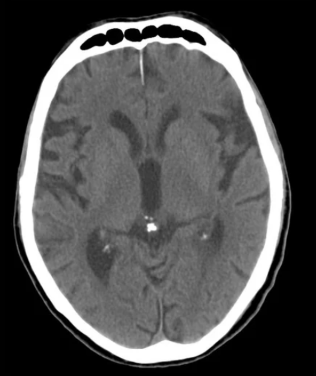
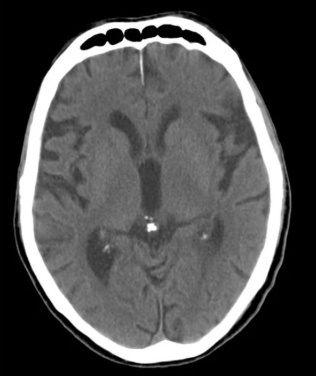
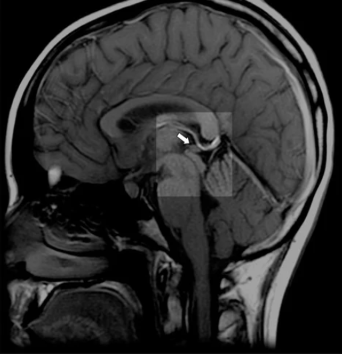
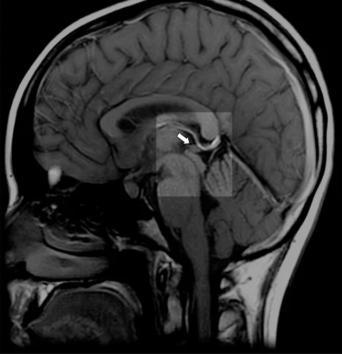
normal pineal gland
calcification of the pineal gland


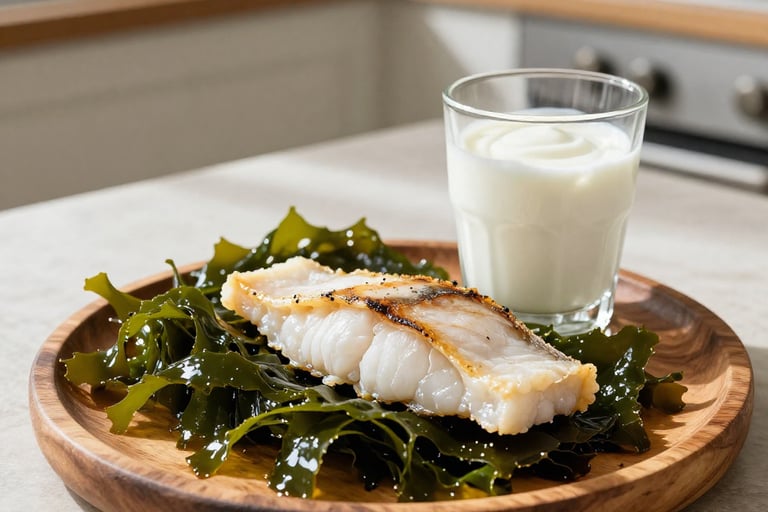
Foods rich in iodine, seaweed, cod, yogurt


The products featured here are affiliate recommendations we've carefully selected. When you purchase through our links, we may earn a small commission at no extra cost to you, helping us create free content to support your journey. We only share what we truly believe can help.
© 2025. All rights reserved.
info@cosmiclifeflow.com