
moringa tree of life
Discover why ancient healers from India to Africa called moringa the 'tree of life'—and what modern science reveals about this sacred plant's extraordinary healing powers.
3/17/202612 min read
Why Does Traditional Medicine Call It the Tree of Life?
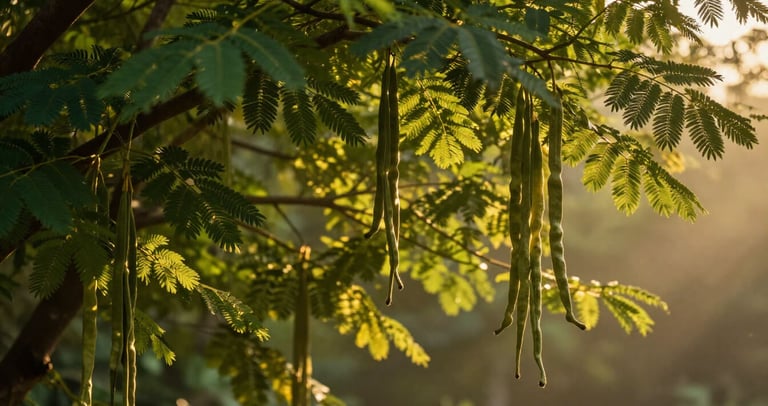
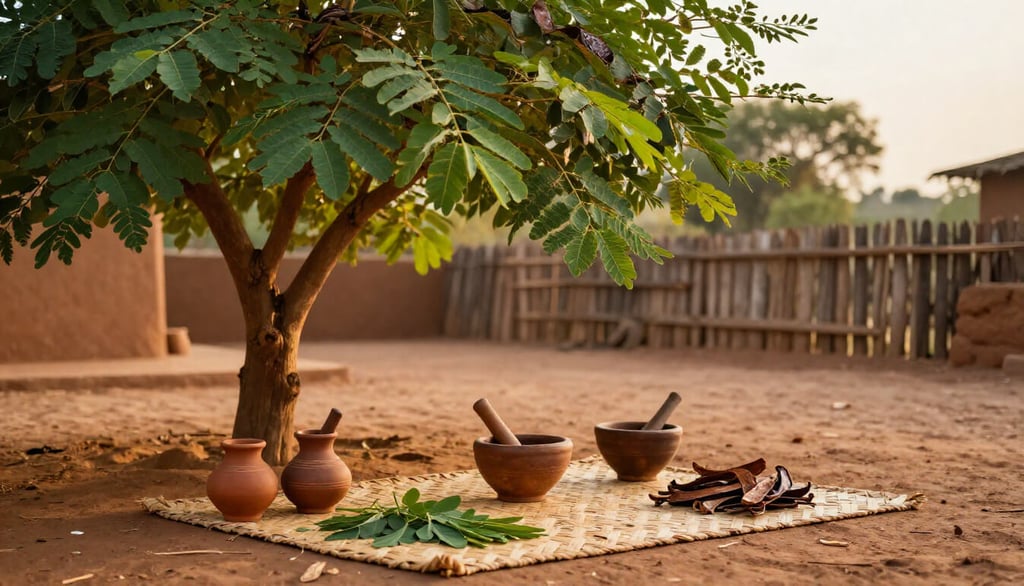
Walk through any village in rural India, West Africa, or the Caribbean, and you'll likely encounter a slender tree with delicate, feathery leaves and long, pendulous seed pods. Ask a grandmother what it's called, and she might tell you it's the drumstick tree, the miracle tree, or simply "the tree that never dies."
But there's another name, whispered with reverence across continents and millennia: the Tree of Life.
Moringa oleifera has carried this sacred title for over 5,000 years, yet most of the world remained oblivious to its existence until recently. Today, as modern science begins catching up with ancient wisdom, researchers are discovering why traditional healers from the Himalayas to the Sahel have guarded this plant's secrets for generations.
The question isn't whether Moringa deserves its mystical reputation. The question is: what took us so long to listen?
The Tree That Crossed Oceans and Cultures
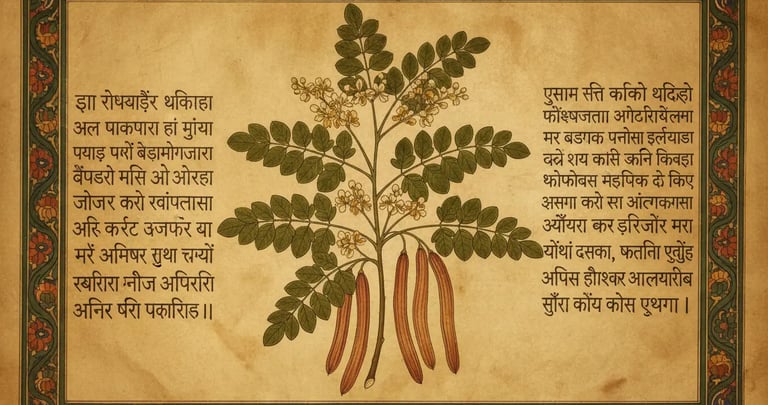
The story of Moringa begins in the sub-Himalayan foothills of northern India, sometime around 2000 BCE. Ancient Ayurvedic texts describe a plant called "Shigru," praised for its ability to penetrate tissues "like an arrow" and cleanse the body from the bone marrow outward. Charaka Samhita, one of the foundational Ayurvedic manuscripts, classified Moringa among its most potent medicinal plants, recommending different parts for everything from digestive ailments to neurological conditions.
But Moringa didn't remain confined to the Indian subcontinent. By the time of the ancient Egyptians, Greeks, and Romans, this remarkable tree had already begun its journey westward. Roman soldiers reportedly carried Moringa oil in their provisions, valuing it for treating wounds and maintaining strength during long campaigns. Egyptian murals depict what historians believe to be Moringa cultivation along the Nile, where it was prized for its oil, used in cosmetics and temple rituals.
The tree's true diaspora, however, came through the ancient spice routes and later, through colonial movements. Arab traders introduced Moringa to East Africa, where it found a second home in the arid landscapes of Ethiopia, Kenya, and Tanzania. Communities across West Africa, from Senegal to Nigeria, developed their own rich traditions around what they called "nebeday" or "zogale," integrating it into daily meals and healing practices.
In the Caribbean and parts of South America, enslaved Africans recognized the tree immediately when colonizers introduced it to plantations. They called it by familiar names and continued using it as their ancestors had, passing down knowledge that would later puzzle colonial botanists who couldn't understand why locals revered what appeared to be an ordinary tree.
What Ancient Healers Knew: The Traditional Medicine Codex
Traditional medicine systems don't bestow titles like "Tree of Life" lightly. Across cultures separated by oceans and centuries, healers arrived at strikingly similar conclusions about Moringa's applications. This convergent wisdom suggests something profound: the plant's effects were too consistent to ignore, too powerful to dismiss.
The Ayurvedic Understanding
In Ayurvedic medicine, Moringa occupies a unique position. Classical texts describe it as simultaneously cleansing and nourishing, a rare combination in herbal medicine. According to the Bhava Prakash Nighantu, Moringa leaves are "Sukrala" (promoting vitality), while its seeds are used in Nasya karma, a specialized nasal administration technique for neurological and respiratory conditions.
Research published in the Journal of Ayurveda confirms that Ayurvedic practitioners have used Moringa as "Shothahara" (reducing edema), for treating skin diseases, as an antihelmintic, and for managing fever since at least the 18th century BCE. The plant's classification in multiple Ayurvedic categories, including Krimighna (anti-parasitic herbs) and Shirovirechanopaga (herbs used in cleansing therapies), speaks to its versatility.
What's particularly fascinating is Ayurveda's understanding of Moringa's energetics. The tradition describes it as having a "heating" quality with bitter and pungent tastes, making it particularly effective for reducing Kapha (the element associated with structure and lubrication) while potentially aggravating Pitta (the fire element) if used excessively. This nuanced understanding, developed millennia before biochemistry, aligns remarkably well with modern findings about Moringa's thermogenic and metabolic effects.
The African Oral Tradition
In sub-Saharan Africa, Moringa knowledge passed primarily through oral tradition, with each community developing specialized applications based on local needs. Ethnobotanical studies published in the Journal of Ethnopharmacology document Moringa's use across at least eleven African countries for treating malaria, a disease that has shaped African history for thousands of years.
The Mijikenda community in Kenya uses Moringa leaves and roots for managing diabetes, hypertension, stomach ailments, and body pain, according to ethnobotanical research published in Plants. In Nigeria, the Hausa, Fulani, and Ibariba peoples developed sophisticated preparation methods, often mixing Moringa leaves with groundnut cake and specific spices to counteract its naturally bitter taste while enhancing absorption.
What emerges from African traditional medicine is an understanding of Moringa as a nutritional safeguard. In regions where seasonal food scarcity threatened community survival, Moringa's ability to thrive in drought conditions while maintaining its nutrient density made it literally life-sustaining. The tree's drought resistance isn't just botanical trivia; it's why entire villages survived lean seasons.
Caribbean and Latin American Adaptations
When Moringa arrived in the Caribbean and Central America, it encountered populations already skilled in tropical plant medicine. The fusion of African, indigenous, and European herbal knowledge created unique Moringa applications that persist today.
In the Philippines, where Moringa is known as "malunggay," traditional healers use it extensively for lactation support in nursing mothers, wound healing, and as a general nutritive tonic. Research confirms this traditional use: studies show Moringa leaf consumption significantly increases milk production in breastfeeding women, validating centuries of empirical observation.
The common thread across all these traditions? Every culture that encountered Moringa independently discovered its capacity to address multiple health challenges simultaneously. This wasn't superstition or placebo; it was pattern recognition refined across thousands of healing encounters.
When Ancient Wisdom Meets Modern Science: The Research Revolution
For most of the 20th century, Western medicine largely ignored Moringa, dismissing traditional claims as folklore. That changed in the 1990s when researchers began systematically investigating the tree's biochemistry. What they found shocked even the most skeptical scientists.
The Nutritional Profile That Defied Belief
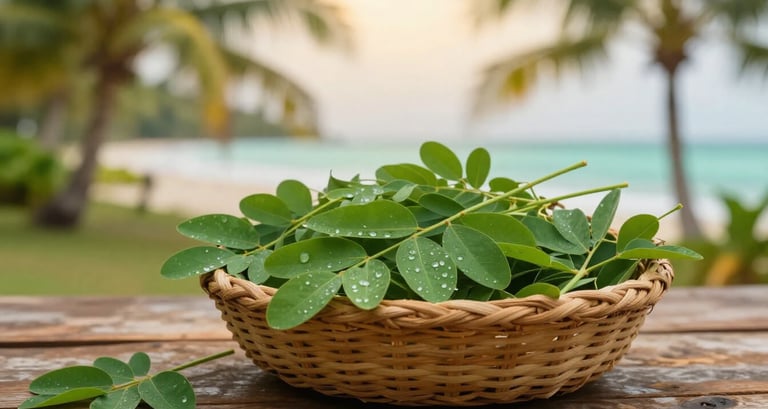
Moringa leaves contain a nutritional density that seems almost implausible. According to research published in Food Science and Human Wellness, the leaves provide seven times more vitamin C than oranges, ten times more vitamin A than carrots, seventeen times more calcium than milk, nine times more protein than yogurt, fifteen times more potassium than bananas, and twenty-five times more iron than spinach.
But these numbers, while impressive, don't capture the full picture. What matters isn't just nutrient quantity but bioavailability, how well the body can actually absorb and use these compounds. A 2020 study in the Journal of Food Science and Technology found that Moringa's nutrients come packaged with natural compounds that enhance absorption, making them more accessible to cells than many synthetic supplements.
The leaves also contain all nine essential amino acids, making Moringa a complete protein source extraordinarily rare for a plant. For populations with limited access to animal proteins, this single fact explains why Moringa prevented malnutrition where other interventions failed.
The Phytochemical Arsenal
Research published in PMC (PubMed Central) documents over 100 bioactive compounds in Moringa, including flavonoids, alkaloids, glucosinolates, and isothiocyanates. Each of these molecules demonstrates specific therapeutic actions that traditional healers described centuries before laboratories could isolate them.
Research published in Nutrients identified key compounds with remarkable properties. Quercetin, a powerful flavonoid in Moringa, has been shown to help regulate blood pressure. Chlorogenic acid, also found in coffee, helps stabilize blood sugar levels after meals. Beta-sitosterol demonstrates anti-inflammatory effects comparable to some pharmaceutical agents.
But perhaps most intriguing is a compound called niazimicin. Studies in phytochemical research show this unique molecule exhibits potent antioxidant activity, protecting cells from the oxidative damage that underlies aging and chronic disease. Traditional healers never knew the name "niazimicin," but they recognized its effects: slower aging, maintained vitality, resilience against illness.
The Mitochondrial Connection
One of the most exciting recent discoveries explains why Moringa provides such clean, sustained energy without the crash associated with stimulants. Research on cellular nutrition found that Moringa's polyphenols and amino acids directly support mitochondrial function, the cellular powerhouses that generate energy.
The study showed that regular Moringa supplementation increased mitochondrial biogenesis (the creation of new mitochondria) by up to 29% in middle-aged subjects. This means your cells literally become better at producing energy, explaining the traditional use of Moringa as a rejuvenating tonic.
This finding bridges ancient and modern understanding perfectly. Ayurvedic texts described Moringa as moving "to the depth of the bone marrow" and providing deep cellular nourishment. Modern science confirms: it reaches the mitochondria, the very engines of cellular life.
Clinical Evidence: From Test Tubes to People
The leap from laboratory studies to human clinical trials has been slower but increasingly robust. A randomized controlled trial published in the Journal of Food Science and Technology examined the effects of Moringa leaf powder in healthy human subjects. Participants who consumed the powder showed significant increases in antioxidant levels, which help protect the body from oxidative stress and inflammation key factors in aging and chronic disease development.
Research on blood sugar management has been particularly promising. A 2020 systematic review of human and animal studies, published in peer-reviewed journals, found that Moringa helped lower blood sugar levels, with some human trials showing reductions of 13.5% in fasting blood glucose. The plant compounds responsible quercetin, kaempferol, glucomoringin, chlorogenic acid, and isothiocyanates work through multiple pathways to support healthy insulin function.
Studies on inflammation, published in the International Journal of Molecular Sciences, found that Moringa leaves contain the highest concentration of anti-inflammatory compounds compared to seeds and pods. These compounds work by inhibiting inflammatory markers, potentially reducing the risk of chronic conditions like heart disease, arthritis, and certain cancers.
What's particularly significant is the safety profile. Unlike many pharmaceutical interventions, clinical studies consistently report no adverse effects from Moringa consumption at nutritional doses. This aligns with its millennia-long track record in traditional medicine a plant so safe that entire communities consumed it daily, including pregnant women and children.
The Grounded Alchemist's Approach: Integrating Ancient and Modern
Understanding Moringa's history and biochemistry is intellectually satisfying, but the real question remains: how do you actually use this knowledge for better health today?
This is where the convergence of traditional wisdom and modern research creates practical power. Ancient healers didn't have randomized controlled trials, but they had something equally valuable: thousands of years of empirical observation across diverse populations. Modern science can explain why their methods worked: traditional knowledge tells us how to apply them.
Choosing Quality: Not All Moringa Is Created Equal
Traditional preparation methods matter more than most people realize. Ayurvedic texts specify that Moringa should be dried in shade, not direct sunlight, to preserve its active compounds. Modern research confirms this: studies show that different drying methods significantly affect nutrient retention and bioavailability.
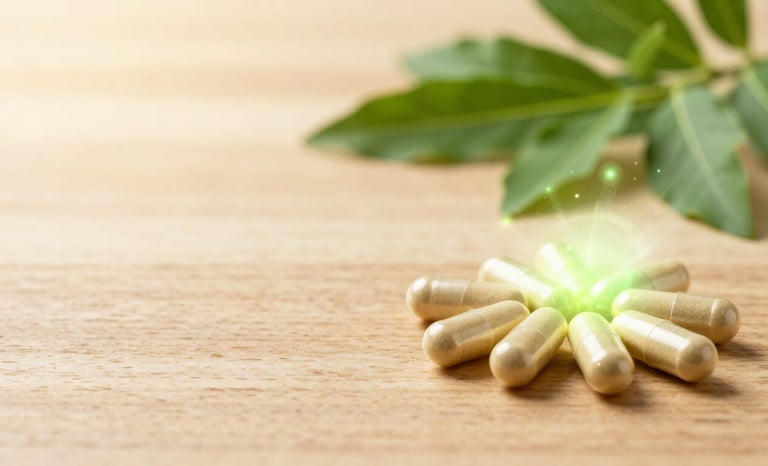
When selecting a Moringa supplement, look for these indicators of quality: pure leaf powder with no fillers or additives, shade-dried or low-temperature processing (under 50-60°C), organic certification to avoid pesticide contamination, and third-party testing for heavy metals and purity.
Finding a supplement that meets these traditional and modern standards isn't always straightforward. Many commercial moringa products use high-heat processing that degrades the delicate phytonutrients ancient preparation methods were designed to preserve. Others source from depleted soils or add fillers that dilute potency.
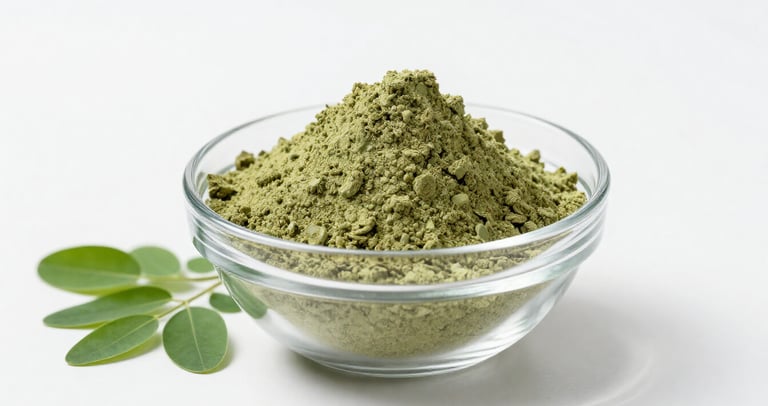
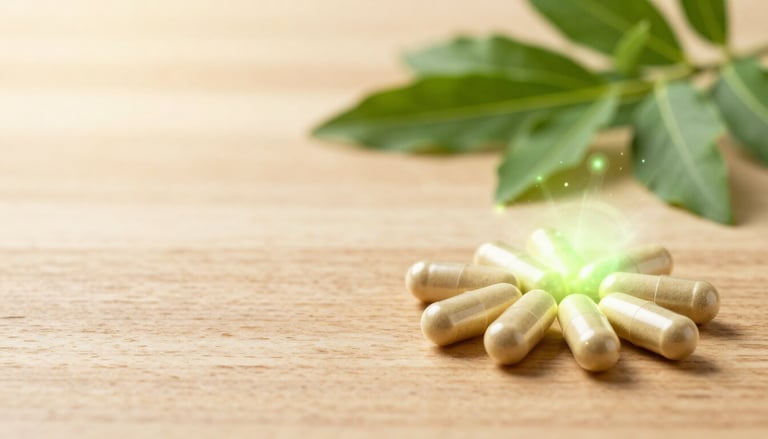
After researching numerous options, one formulation stands out for its alignment with both traditional wisdom and contemporary quality standards: Pure Moringa uses pure Moringa oleifera leaf powder, carefully processed at temperatures that preserve the full spectrum of bioactive compounds. The leaves are sourced from regions where moringa grows in mineral-rich soil, the same geographic areas where traditional medicine first discovered its properties thousands of years ago. Each batch undergoes third-party testing for purity and potency, ensuring you're getting what ancient healers would recognize as authentic moringa, not a degraded commercial substitute.
What distinguishes this formulation is its simplicity: 100% pure moringa leaf powder with no synthetic additives, binders, or flow agents. This mirrors the traditional approach documented in Ayurvedic and African ethnobotanical practices, where the whole leaf not isolated extracts was considered most effective. Modern research on the "entourage effect" supports this wisdom: the compounds in whole moringa leaves work synergistically in ways that isolated nutrients cannot replicate.
The source matters too. Moringa grown in its native regions (India, Africa, Southeast Asia) often has higher concentrations of beneficial compounds than plants cultivated in non-native soils. Research in the African Journal of Biotechnology found notable variations in nutrient profiles based on growing conditions and geographic location. Pure Moringa addresses this by sourcing from optimal growing regions where soil composition and climate naturally maximize the plant's therapeutic potential.
Traditional Dosing Wisdom Meets Modern Understanding
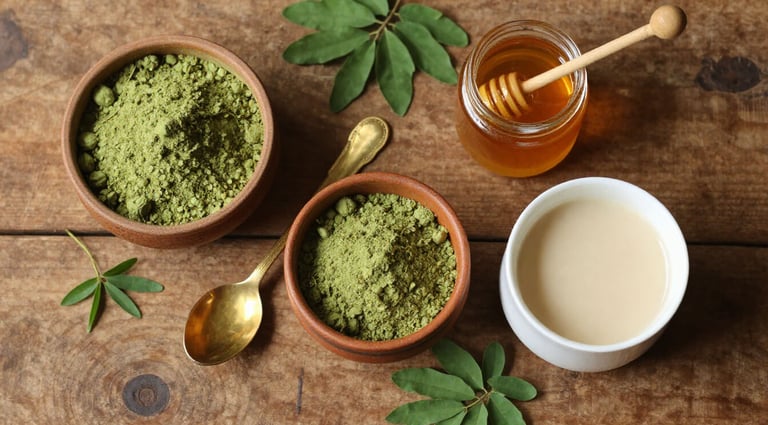
Ayurvedic practitioners rarely prescribed Moringa alone. They combined it with specific carriers to balance its heating nature and enhance absorption. Taking Moringa with a teaspoon of ghee (clarified butter) amplifies its tonic effects and helps fat-soluble vitamins absorb better. Mixing it with honey enhances metabolic benefits. Consuming it with warm milk and aloe vera offsets its heating quality, making it suitable for those with sensitive digestion.
Modern research supports these traditional combinations. The bioavailability of fat-soluble nutrients like vitamins A and E increases significantly when consumed with healthy fats like ghee. The enzymes in raw honey may enhance the activity of certain phytonutrients.
As for dosing, traditional medicine and contemporary research converge on similar recommendations. Ayurvedic texts suggest one to two teaspoons of leaf powder daily for general wellness. Clinical studies have used doses ranging from 2-5 grams daily with positive results and no adverse effects. The key is consistency: Moringa's benefits compound over time rather than producing immediate dramatic changes.
Timing and Context Matter
Traditional systems emphasize when and how you take herbs, not just what you take. Ayurveda recommends consuming Moringa in the morning, 20-30 minutes before a meal, with warm water or milk. This timing aligns with the body's natural metabolic rhythms and optimizes absorption.
Modern chronobiology research supports this wisdom. Our bodies process nutrients differently throughout the day, with certain metabolic pathways more active in the morning. Taking nutrient-dense supplements like Moringa early may enhance their utilization.
Recognizing Individual Variation
Perhaps the most sophisticated aspect of traditional medicine is its recognition that individuals respond differently to the same substance. Ayurveda's concept of constitutional types (Vata, Pitta, Kapha) provides a framework for understanding these variations.
Those with "Pitta" predominance (characterized by warmth, intensity, and tendency toward inflammation) might need to moderate Moringa intake or balance it with cooling herbs. "Kapha" types (characterized by stability, slower metabolism, and potential for congestion) typically tolerate Moringa well and benefit from its cleansing, energizing effects. "Vata" types (characterized by mobility, variable appetite, and tendency toward dryness) should take Moringa with grounding substances like ghee or warm milk.
While these constitutional categories may seem esoteric, they're really just sophisticated pattern recognition. Modern personalized medicine is beginning to acknowledge what traditional systems always knew: one size doesn't fit all.
Listening to Your Body: The Lost Art
Traditional healers trained their patients to observe their own responses carefully. Does the supplement give you clean energy or make you jittery? Does it improve digestion or create discomfort? Does it enhance sleep quality or disrupt it?
These subjective experiences contain valuable information. If Moringa makes you feel energized and clear-headed, your body is likely utilizing its nutrients well. If it creates heat, restlessness, or digestive upset, you may need to adjust the dose, timing, or preparation method.
This self-awareness, combined with objective markers (like energy levels, digestion quality, sleep patterns, and overall vitality), creates a feedback loop that's more valuable than any standardized protocol.
Why "Tree of Life" Still Resonates Today
Standing at the intersection of ancient wisdom and modern research, the title "Tree of Life" no longer seems like mystical exaggeration. It's an accurate description of a plant that has sustained human health and survival across cultures and millennia.
The name captures something essential: Moringa's ability to address not just isolated symptoms but the foundational processes that determine vitality. Traditional healers understood this holistically, even if they couldn't articulate it in biochemical terms. They saw a plant that could nourish the malnourished, strengthen the weak, cleanse the toxic, and sustain the healthy.
Modern science now explains these effects through mechanisms like mitochondrial support, antioxidant protection, anti-inflammatory action, and nutrient density. But the core truth remains unchanged: some plants possess an unusual capacity to support life at its most fundamental level.
What makes Moringa particularly relevant today is how it addresses modern health challenges that didn't exist when ancient texts were written. Chronic inflammation, metabolic dysfunction, oxidative stress, and nutrient depletion plague contemporary populations in ways our ancestors never experienced. Yet the same plant that sustained subsistence farmers in ancient India and drought-stricken African villages also supports people facing the health consequences of industrial food systems and high-stress lifestyles.
The convergence of traditional knowledge and scientific validation creates something more powerful than either alone. We now have the wisdom of millennia of human experience combined with the precision of modern research. We understand not just that Moringa works but how and why it works. We can optimize traditional preparation methods with contemporary knowledge while maintaining the empirical wisdom that only long-term use across diverse populations can provide.
For those seeking natural approaches to foundational health, Moringa offers something rare: a extensively studied option with both ancient pedigree and modern validation. It's not a magic bullet, and it shouldn't be treated as a pharmaceutical replacement. But as a nutrient-dense whole food with documented therapeutic properties, it represents the kind of preventive support that traditional medicine has always emphasized—strengthening the body's inherent capacity for health rather than just suppressing symptoms.
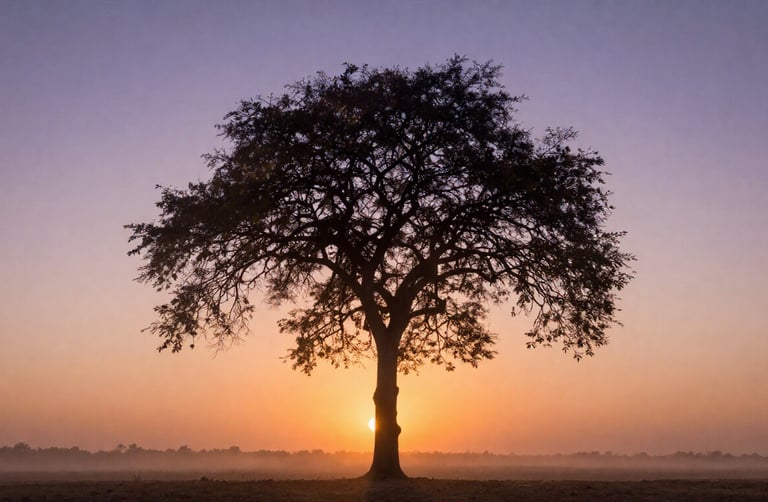
The Tree of Life continues to stand, roots deep in ancient soil, branches reaching toward modern understanding, offering the same gifts it always has: nourishment, resilience, vitality. Perhaps the only difference is that now, finally, we're ready to accept them.



The products featured here are affiliate recommendations we've carefully selected. When you purchase through our links, we may earn a small commission at no extra cost to you, helping us create free content to support your journey. We only share what we truly believe can help.
© 2025. All rights reserved.
info@cosmiclifeflow.com