
earthing
How Does Reconnecting to the Earth Influence Our Health and Well-being?
10/14/20259 min read




How Does Reconnecting to the Earth Influence Our Health and Well-being?
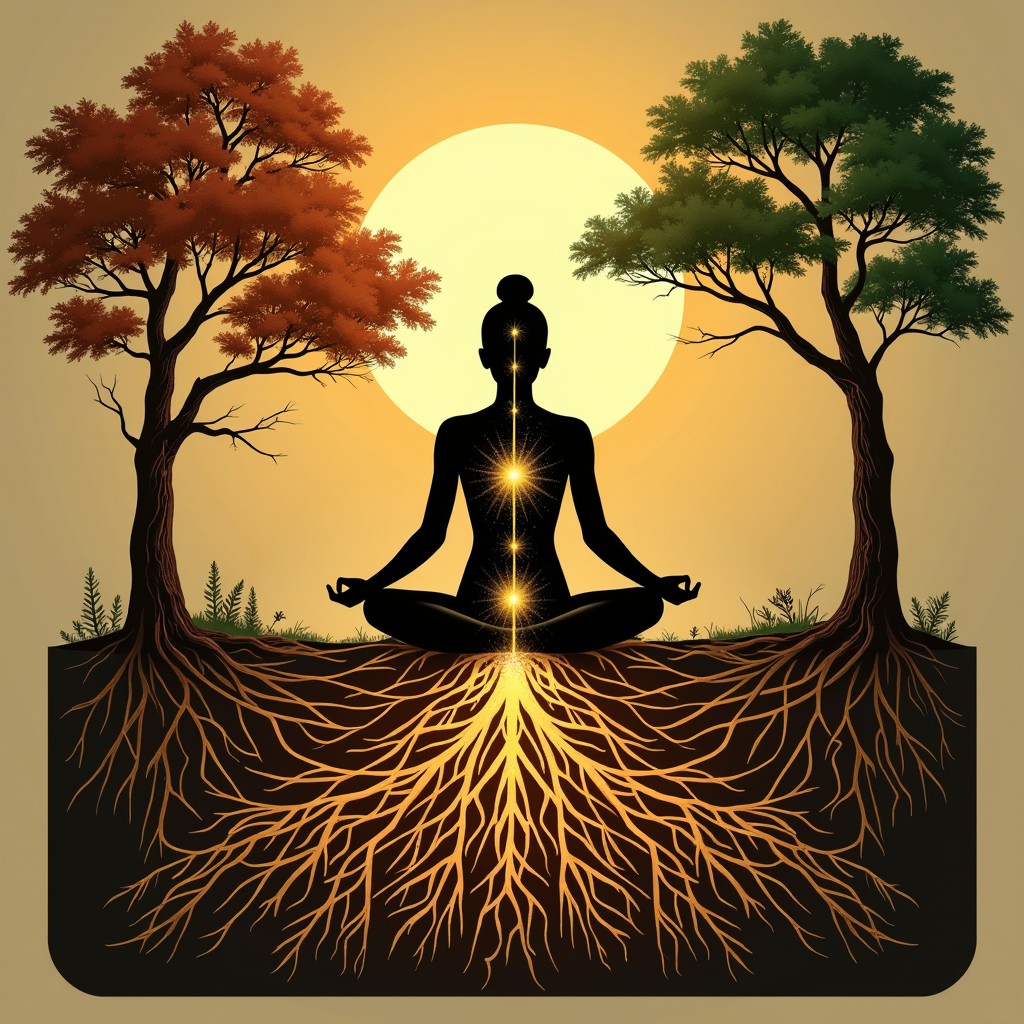
Reconnecting to the Earth through direct physical contact, a practice known as grounding or Earthing, influences your health by transferring the planet's free electrons into your body, which research links to reduced inflammation, improved cortisol rhythms, better sleep, and accelerated wound healing. This simple, free practice works because the Earth maintains a natural negative charge that neutralizes the positively charged free radicals contributing to chronic stress and inflammatory disease.
Do you ever feel perpetually stressed, disconnected from yourself, or trapped in a cycle of chronic discomfort that conventional solutions can't seem to touch? You're not alone in this struggle. In our modern world of rubber-soled shoes, high-rise apartments, and constant digital stimulation, we've lost something profoundly fundamental—our direct connection to the Earth's natural energy.
This disconnection isn't just poetic symbolism. Emerging scientific research reveals that losing physical contact with the ground beneath us may be contributing to the epidemic of inflammatory-related chronic diseases, persistent stress, and the accelerated aging we see everywhere today. But here's the empowering truth: a simple, free, and scientifically-validated solution exists right beneath your feet.
What Is Grounding and Why Does It Matter?
Grounding, also known as Earthing, is the practice of establishing direct physical contact between your body and the Earth's surface. Think of it as plugging yourself into the planet's natural electrical charge. Scientists studying this phenomenon have begun calling it "electronic nutrition" or even "Vitamin G"—a vital element missing from modern life.
The Earth's surface maintains a slightly negative electrical charge, created by a virtually limitless supply of free electrons that are continuously renewed by solar radiation, lightning, and atmospheric processes. These electrons carry the Schumann resonances, natural electromagnetic frequencies including the fundamental frequency of 7.83 Hz, which has been present throughout human evolution.
When your bare skin touches grass, soil, sand, or even unpainted concrete, your body absorbs these electrons. Your body is conductive—composed largely of water and minerals—which means these electrons can flow through you, creating measurable physiological changes within minutes.
Grounding as Nature's Ultimate Anti-Inflammatory
Inflammation sits at the root of nearly every chronic disease we face today, from arthritis and cardiovascular disease to diabetes and autoimmune conditions. Grounding may offer the most fundamental anti-inflammatory remedy available.
Here's how it works: Your body's immune system produces reactive oxygen species (ROS), also called free radicals, as part of its normal response to injury and infection. These molecules are positively charged and highly reactive. In small amounts, they're beneficial. But when they accumulate, they cause oxidative stress and damage healthy tissue around injury sites—what researchers call "collateral damage."
The Earth's electrons act as powerful natural antioxidants. When you're grounded, these negatively charged electrons flow into your body through a continuous network of collagen and connective tissue called the "living matrix." This crystalline semiconductor network delivers electrons directly to inflamed areas, neutralizing free radicals before they can harm surrounding healthy cells.
Clinical studies confirm this mechanism dramatically. Research on delayed-onset muscle soreness showed that grounded individuals experienced significantly less pain and faster recovery compared to ungrounded participants. Even more striking, grounded subjects showed a muted white blood cell response, with fewer inflammatory markers like neutrophils and lymphocytes circulating in their bloodstream. The study, published in the Journal of Alternative and Complementary Medicine, found that grounding appears to be the first intervention with the potential to reduce recovery time and improve muscle function from delayed-onset muscle soreness. NIH
Transforming Blood Flow and Heart Health
Your blood's thickness matters more than you might realize. Increased blood viscosity is now recognized as a major risk factor for heart attacks, strokes, hypertension, and diabetes. Sticky, clumping blood struggles to deliver oxygen and nutrients efficiently.
Grounding produces remarkable changes in blood rheology. A landmark study published in 2013 showed that just two hours of contact with the Earth increases the zeta potential—the electrical charge on red blood cell surfaces—by an average factor of 2.70. This enhanced negative charge causes red blood cells to repel each other, reducing dangerous clumping and making blood flow more smoothly.
One fascinating double-blind study examined people doing gentle yoga. Those who were grounded during their practice showed significantly reduced blood viscosity afterward (p=0.03 for both systolic and diastolic measurements), while the ungrounded group saw no improvement. This suggests that grounding could be particularly powerful when combined with mindful movement practices.
Research also demonstrates enhanced circulation throughout the body. Within a single one-hour grounding session, blood flow regulation improves noticeably to the face, torso, and extremities. Studies have found that facial blood flow was restored to healthy patterns, suggesting enhanced capacity for skin tissue repair and regeneration.
Resetting Your Body's Natural Rhythms
Perhaps the most profound effect of grounding involves your stress hormones and sleep-wake cycle. Modern life disrupts our circadian rhythms through artificial light, irregular schedules, and chronic stress. Grounding offers a powerful reset button.
Multiple studies show that sleeping grounded normalizes the 24-hour cortisol rhythm. Cortisol, your primary stress hormone, should follow a specific daily pattern: rising in the early morning to give you energy and alertness, then declining throughout the day to prepare you for restful sleep. Many people have this pattern reversed or flattened entirely.
In one eight-week study of people with sleep dysfunction and chronic stress, published in the Journal of Alternative and Complementary Medicine, sleeping grounded significantly reduced nighttime cortisol levels and resynchronized cortisol hormone secretion more in alignment with the natural 24-hour circadian rhythm profile. Changes were most apparent in females. Participants reported falling asleep faster, sleeping more deeply, and waking feeling genuinely refreshed.
The Earth may function as a biological clock setter, similar to how sunlight regulates melatonin. The planet's electromagnetic field, including the Schumann resonance frequencies that pulse at 7.83 Hz, appears to entrain your hormonal rhythms to their natural patterns.
Grounding also shifts your autonomic nervous system from sympathetic "fight-or-flight" dominance to parasympathetic "rest-and-digest" calm. This shift is measurable within minutes through decreased skin conductance and improved heart rate variability, a key marker of stress resilience and overall health.
Supporting Metabolism and Emotional Balance
The benefits extend to numerous other body systems. Research published in 2011 shows that night rest of continuous grounding decreases fasting blood glucose levels in people with non-insulin-dependent diabetes, suggesting Earth connection may influence how your body processes sugar. The study found that fasting glucose concentrations decreased from 10.6 ± 1.2 to 7.4 ± 0.8 mmol/L (p < 0.05) in grounded patients.
Grounding also affects thyroid function. The same comprehensive study found that a single night of grounded sleep altered thyroid hormone levels—specifically decreasing free tri-iodothyronine (fT3) while increasing free thyroxine (fT4) and thyroid-stimulating hormone (TSH). This means anyone taking thyroid medication should work with their doctor to monitor potential dosage adjustments.
Mental and emotional wellbeing improves measurably with grounding. Just one hour of Earth contact significantly enhances pleasant and positive moods while reducing anxiety and depression scores. Long-term practitioners report improved cognitive clarity, enhanced focus, and decreased markers of brain stress.
Three Simple Steps to Start Grounding Today
The beauty of this practice lies in its simplicity and accessibility. You don't need expensive equipment or complicated protocols.
Step 1: Walk Barefoot Outdoors Daily
The most direct approach costs nothing. Simply remove your shoes and walk, sit, or lie on grass, soil, sand, or unpainted concrete for 30 to 40 minutes daily. Many people notice reduced pain and improved mood within this timeframe. Morning grounding can be particularly powerful for setting your cortisol rhythm for the day.
Step 2: Create Consistency Through Indoor Options
Weather and urban living can make daily outdoor barefoot time challenging. Conductive grounding systems—including grounding mats, bed sheets, and patches—connect to the Earth through a wire plugged into a properly grounded electrical outlet or ground rod. These allow you to receive Earth's electrons while sleeping, working, or relaxing indoors.
Step 3: Consult Your Healthcare Provider About Medications
If you take blood-thinning medications like warfarin or Coumadin, you must work closely with your physician before starting a grounding practice. Because grounding naturally reduces blood viscosity, combining it with pharmaceutical blood thinners could create excessive thinning and potential bleeding complications. Similarly, those taking medications for diabetes or thyroid conditions may need dosage adjustments as grounding improves these metabolic functions.
Your Path to Reconnection and Renewal
Grounding represents more than a wellness practice—it's a homecoming to your body's natural state. For millions of years, humans maintained constant electrical contact with the Earth. We evolved barefoot, sleeping on the ground, living in intimate relationship with the planet's energy field. Only in the last century have we insulated ourselves completely.
By choosing to reconnect, you're not adopting a trendy biohack. You're reclaiming an ancestral birthright that supports every system in your body. The shift from chronic sympathetic stress to parasympathetic restoration isn't just about feeling calmer. It's about allowing your body's innate healing intelligence to function as designed.
This practice empowers you to take your health into your own hands—or rather, your own feet. Each time you touch the Earth, you're actively supporting your immune function, cardiovascular health, hormonal balance, and inflammatory response. You're choosing to honor the deep wisdom of your body and its connection to something larger than yourself.
Frequently Asked Questions
How does grounding reduce inflammation in the body?
Grounding reduces inflammation through electron transfer. The Earth provides an unlimited supply of free electrons that flow into your body upon contact. These electrons neutralize reactive oxygen species (free radicals) at sites of inflammation, preventing them from causing collateral damage to healthy surrounding tissue. Research published in the Journal of Inflammation Research confirms this mechanism makes grounding a universal anti-inflammatory intervention supported by your body's natural conductive properties.
Can grounding really help with chronic stress and anxiety?
Yes, research consistently shows that grounding produces rapid shifts in your autonomic nervous system, moving you from sympathetic stress activation to parasympathetic calm. This change is measurable through improved heart rate variability and normalized cortisol rhythms. Many people report feeling noticeably calmer within 20 to 40 minutes of Earth contact, with long-term practice leading to sustained improvements in mood, anxiety, and stress resilience.
How long does it take to feel the benefits of grounding?
Some effects occur almost immediately. Studies show autonomic nervous system shifts within minutes, with skin conductance decreasing as your body relaxes. Pain reduction often becomes noticeable within 30 to 40 minutes. For deeper benefits like normalized cortisol rhythms, improved blood viscosity, and metabolic changes, consistent daily practice over several weeks produces the most significant results.
Is it safe to use grounding mats connected to electrical outlets?
When used properly, grounding mats connected to grounded electrical outlets are safe. They connect only to the ground port (the round hole), which is connected to the Earth and carries no electricity. However, you should ensure your electrical system is properly grounded, avoid using grounding equipment during lightning storms, and never use damaged equipment. Always follow manufacturer safety guidelines.
Are there any risks or precautions I should know about?
The primary caution involves blood-thinning medications. Because grounding naturally reduces blood viscosity and clotting, people taking anticoagulants like warfarin must work closely with their physician to monitor clotting time and adjust medication as needed. Those with diabetes or thyroid conditions may also need dosage adjustments as grounding can improve these metabolic functions. When in doubt, consult with a healthcare provider familiar with grounding research.
Embracing the Earth, Embracing Yourself
The scientific evidence surrounding grounding reveals something both ancient and revolutionary: your body is designed to be in electrical contact with the Earth. This connection isn't optional for optimal health—it's foundational.
As you begin or deepen your grounding practice, approach it with curiosity and self-compassion. Notice how your body responds. Pay attention to the quality of your sleep, the intensity of any chronic pain, your stress levels throughout the day, and your overall sense of wellbeing.
You're not just touching grass or standing on soil. You're activating your body's innate capacity for balance, repair, and vitality. You're stepping into a more connected, more embodied version of yourself. And you're doing it all with the simplest, most accessible resource imaginable—the living Earth beneath your feet.
Take off your shoes. Feel the ground. Let the healing begin.






© 2025. All rights reserved.
info@cosmiclifeflow.com